
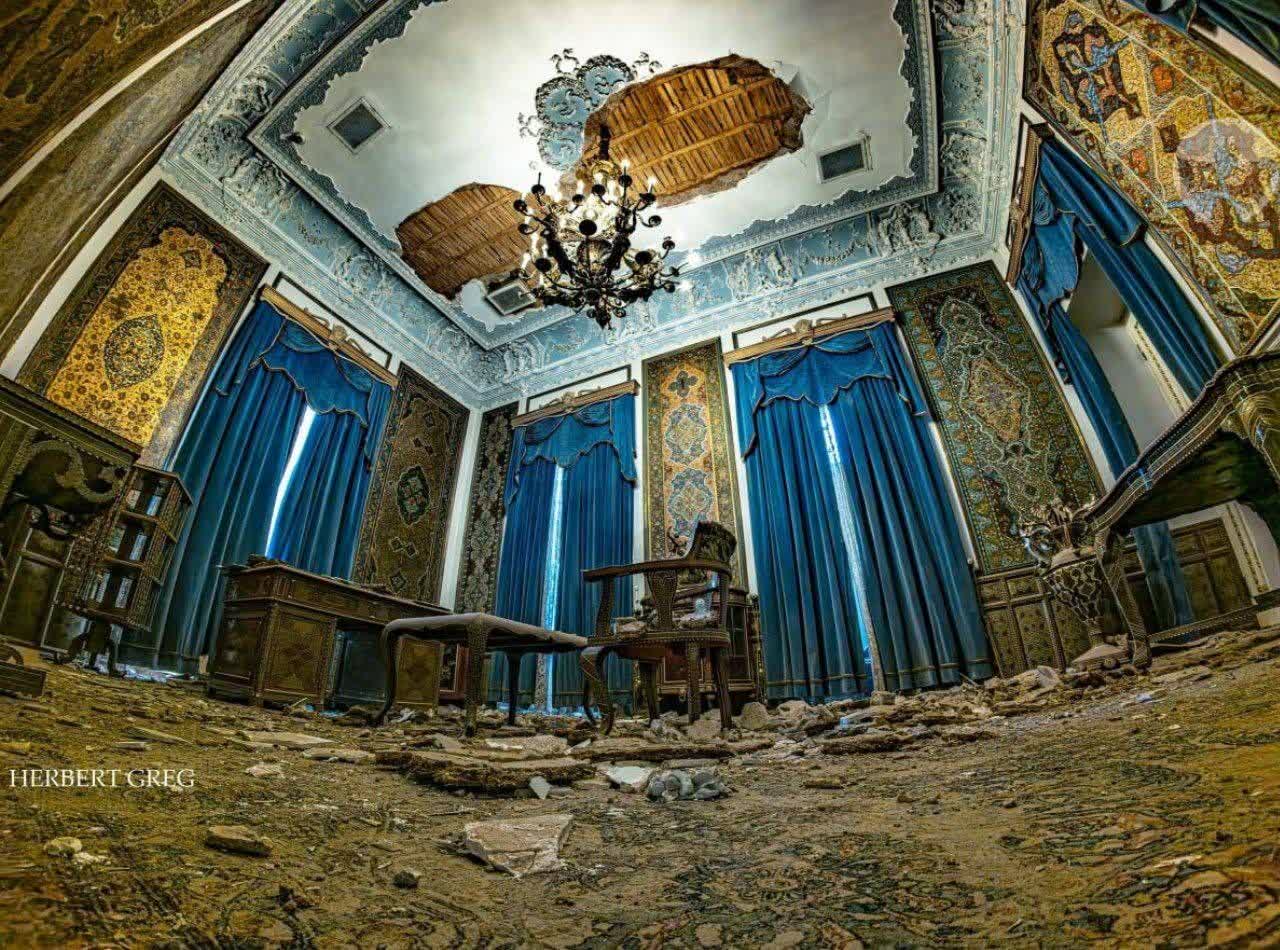
Visit of the Secretary‑General of the Iranian National Commission for UNESCO to Assess Damage to the Sa’dabad Cultural‑Historical Complex Following the Recent Attacks (24 March)
-
Following the attack on the Sa’dabad Cultural‑Historical Complex at dawn on Tuesday, 17 March 2026, significant damage was inflicted on the site’s historical buildings.
-
Hassan Fartousi, Secretary‑General of the Iranian National Commission for UNESCO, visited the complex to document the extent of the damage and prepare a report for submission to UNESCO.
-
The damage to the historical structures of Sa’dabad—which includes nearly 100 large and small buildings and 15 palace‑museums and museums—covers a wide range.
-
The main types of damage include shattered windows, damaged walls, damaged ceilings, harm to interior decorations, detached wooden doors and windows, and destroyed roof coverings.
-
The severity of the damage is particularly high in the three buildings closest to the incident site:
• Green Palace Museum (Kakh‑e Sabz) – the oldest palace, more than a century old, containing exceptional examples of traditional Iranian arts.
• Vali Mansion – the oldest part of the complex, dating to the mid‑Qajar era.
• Hope Brothers Museum (Moze‑ye Baradaran‑e Omidvar) – the only museum dedicated to world travel and exploration in Iran.
In these structures, some cases of structural damage have also been observed.
-
Other museums and buildings—including the Fine Arts Palace Museum, the Nation Palace Museum, the Master Farshchian Museum, the Royal Tableware Museum, the Clothing Museum, the Royal Arms Museum, Bahman Palace, the Behzad Museum, the Public Relations Building, the Library, and the Darband Ticket Office—have also sustained serious damage.
-
The damage to the remaining 12 museums and approximately 85 other buildings in the complex includes broken windows, ceiling damage, detached doors and windows, and damage to roof coverings.