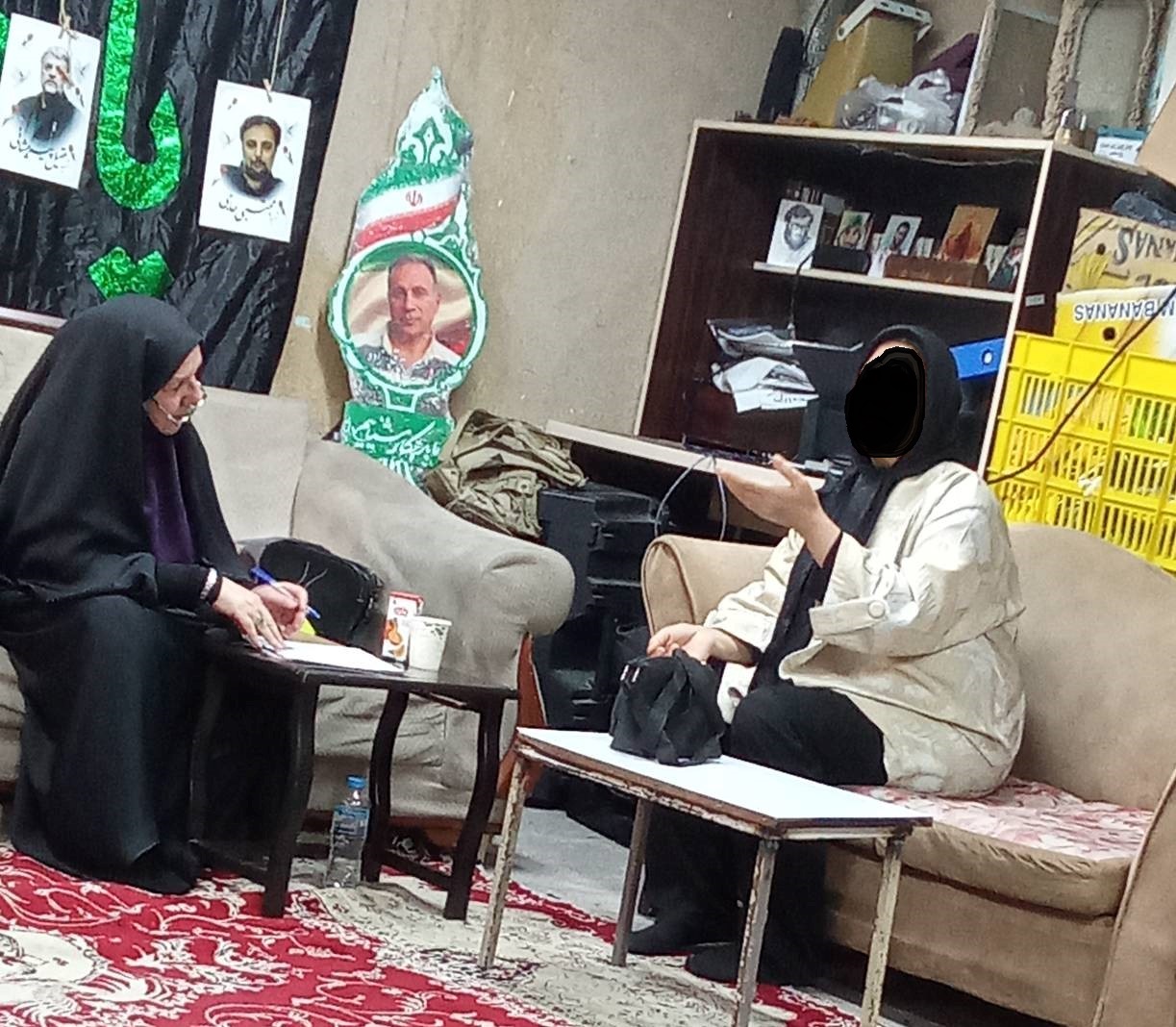
Tahmineh is a 64-year-old woman and the sole provider of her household. She has no independent source of income. During the military attacks, her home sustained extensive damage and became uninhabitable. Although the fighting has ended, she has been unable to return home because she lacks the financial resources required to repair and rebuild the house.
Together with her 20-year-old daughter, Tahmineh was forced to leave her community and seek temporary shelter with relatives in a town near Isfahan. This forced displacement has deprived the family of stability and security while adding significant hardship to their daily lives.
At the same time, Tahmineh is undergoing chemotherapy following a diagnosis of breast cancer. The high cost of medical treatment, medications, and repeated hospital visits has placed an overwhelming financial burden on the family. Without any form of health insurance coverage, continuing her treatment has become an increasingly difficult challenge.
The consequences of the conflict have extended beyond the destruction of their home. Tahmineh’s daughter, a university student, was unable to continue her education after the war because of the family’s mounting medical expenses and the additional financial burdens created by the conflict. Instead, she has remained at home to care for her mother throughout her treatment, putting her academic aspirations on hold.
Tahmineh’s story illustrates how the consequences of armed conflict continue long after the fighting has ceased, affecting health, livelihoods, education, and the overall well-being of vulnerable families.
This family is among the conflict-affected households identified through HAMI’s field assessments and needs-based vulnerability screening. Following individual case assessment, they were enrolled in HAMI’s humanitarian assistance programme, through which part of their urgent medical and livelihood needs has been addressed with the support of humanitarian partners and donors.