Tahereh is a 40-year-old mother of three daughters, aged between five and fourteen. During the recent missile attacks, she lost her husband, leaving her as the sole caregiver and provider for her three young children. Her daughters continue to struggle with the loss of their father, and the psychological impact of bereavement has profoundly affected their emotional well-being. Grief, anxiety, and a persistent sense of insecurity have become part of their daily lives.
Even before the conflict, Tahereh was living with a rare genetic condition causing bone fragility, which significantly limits her mobility and ability to carry out everyday activities. Following her husband’s death, the emotional trauma, heightened stress, and overwhelming responsibility of caring for her children have further aggravated her health condition. Today, she requires assistance from others for many daily activities and, at times, even for basic mobility.
The loss of the family’s sole breadwinner has also created severe financial hardship. Medical treatment, essential medications, ongoing healthcare, accumulated debts, daily living expenses, and the costs of raising three young children have become constant challenges. Given her physical limitations, her ability to earn an income is extremely restricted, making it increasingly difficult to meet even the family’s most basic needs.
Tahereh’s story illustrates how armed conflict can simultaneously deepen physical, psychological, and economic vulnerabilities. For families already living with disability or chronic illness, the loss of a primary breadwinner can quickly escalate into a complex humanitarian crisis that cannot be overcome without sustained humanitarian assistance.
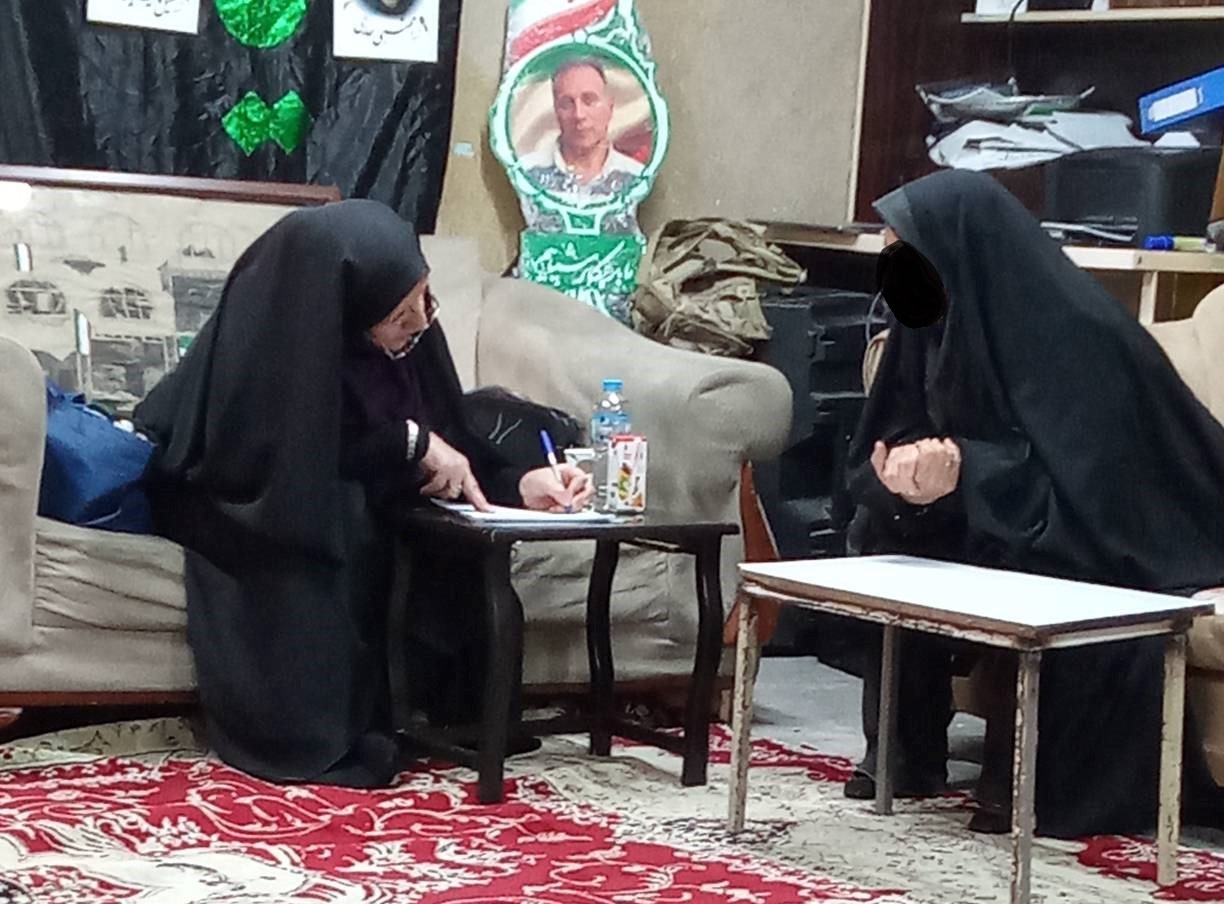
This family is among the conflict-affected households identified through HAMI’s field assessments and needs-based vulnerability screening. Following individual case assessment, they were enrolled in HAMI’s humanitarian assistance programme, through which part of their urgent medical, livelihood, and humanitarian needs has been addressed with the support of humanitarian partners and donors.