
Statement of the Coordinating Council of Iran NGOs and CBOs Network of Environment, Natural Resources and Sustainable Development
Condemning the United States and Israel’s Military aggression on Iran’s Vital Infrastructure, Water and Energy Facilities, and Emphasizing the Necessity of Environmental Protection During Armed Conflicts in Iran and the Region
8 March 2026
Addressed to:
- United Nations Secretary-General
- United Nations Environment Programme (UNEP)
- United Nations Educational, Scientific and Cultural Organization (UNESCO)
- Secretariat of the Convention on Biological Diversity (CBD)
- Ramsar Convention Secretariat on Wetlands
- International Maritime Organization (IMO)
- International Union for Conservation of Nature (IUCN)
As well as:
- Indian Ocean Tuna Commission (IOTC)
- Kuwait Regional Convention for Cooperation on the Protection of the Marine Environment
- Regional Organization for the Protection of the Marine Environment (ROPME)
And also:
- Convention on the Conservation of Migratory Species of Wild Animals (CMS – Bonn Convention)
- Global Coral Reef Monitoring Network (GCRMN)
- International Coral Reef Initiative (ICRI)
- IOSEA Marine Turtle Memorandum of Understanding
- IOSEA Marine Mammal Memorandum of Understanding
- International Whaling Commission – Indian Ocean Sanctuary
And the leadership of environmental, human rights, and humanitarian NGOs worldwide
Mr. President,
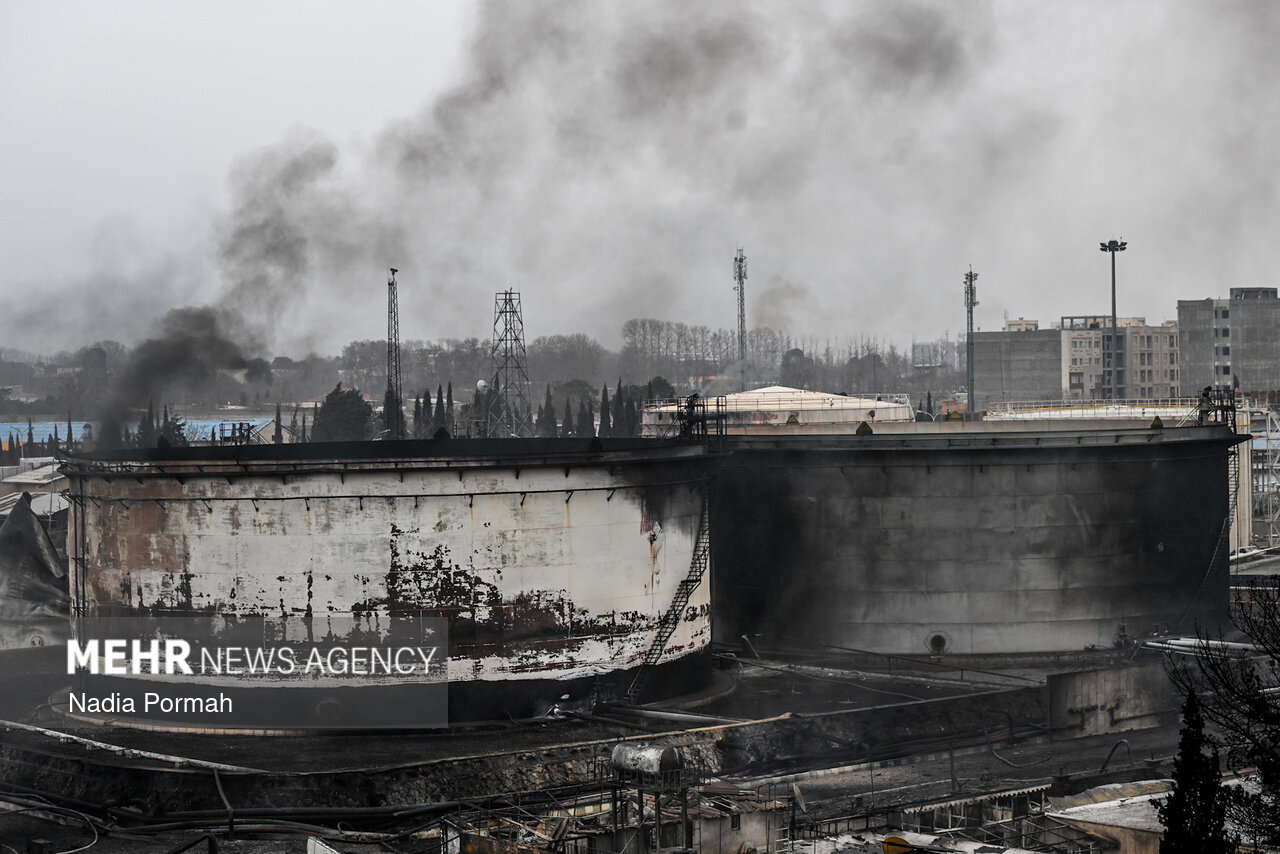
Following the escalation of military hostilities resulting from the overt aggression of the United States and Israel against Iran, and the intensification of aggressive attacks across various parts of the territory of the Islamic Republic of Iran—particularly after the missile strike on the desalination facilities of Qeshm Island and the bombardment of oil installations in different parts of the country—the Coordinating Council of the Iran NGOs and CBOs Network of Environment, Natural Resources and Sustainable Development, representing more than 1,200 community-based and civil society organizations, hereby expresses its profound concern regarding the potential consequences of this situation for both the natural and human environment.
The scope of risks arising from armed conflicts is not limited to marine areas alone; rather, it places a wide range of vital ecosystems, natural habitats, water resources, soil, air quality, and human settlements throughout the national territory at serious risk. Owing to its climatic and geographical diversity, Iran constitutes one of the most important centers of biodiversity in West Asia. A significant portion of this natural heritage is protected through national parks, wildlife refuges, biosphere reserves, internationally designated wetlands, and protected areas. Moreover, Iran lies along one of the world’s most important avian migratory corridors, and its wetlands, coastlines, plains, and mountainous regions serve as habitats for millions of migratory birds and valuable wildlife species.
The international community is witnessing that the initiation of aggressive attacks against vital infrastructure facilities—launched from the territory of one of Iran’s neighboring countries on 7 March 2026—constitutes the opening of a new front in the continuation of recent aggression. Accordingly, this warning must be taken seriously: the continuation of such actions could lead to a regional and global catastrophe.
Furthermore, disregard for the health of marine life and the serious risk of widespread marine pollution in the Persian Gulf, the Sea of Oman, and the western Indian Ocean may expose the world to an imminent and catastrophic danger, threatening the lives of billions of people and countless living organisms upon which global life cycles depend.
Additionally, attacks on fuel storage and supply infrastructure, oil tanks, gasoline and diesel depots—which result in lethal pollution, toxic particulate fallout, and long-lasting impacts on the health and survival of humans and other living beings—constitute clear evidence of the violation of fundamental principles of international law, human rights, and international environmental law.
This occurs despite the fact that Iran, during the recent aggression by the United States and Israel, has—based on ethical principles rooted in its rich cultural heritage and religious teachings—refrained from damaging or destroying vital infrastructure, particularly water-related facilities of countries from whose territory and airspace aggressive attacks against Iran were carried out, especially in consideration of the urgent water needs of fasting Muslim populations in neighboring countries.
The Coordinating Council of Iran NGOs and CBOs Network of Environment, Natural Resources and Sustainable Development, while strongly condemning such hazardous actions that violate international principles and threaten human rights as well as biological, animal, and plant safety, hereby draws your attention, along with that of all environmental NGOs worldwide and international institutions, to the incompatibility of these actions with the following legal frameworks, which may constitute clear instances of war crimes:
- Applicable International Legal Frameworks
- The principles and purposes of the Charter of the United Nations
- Principle 24 of the Rio Declaration, which emphasizes that States shall respect international law concerning the protection of the environment in times of armed conflict and cooperate in its further development where necessary
- Provisions of the Stockholm Declaration
- The Convention on the Prohibition of Military or Any Other Hostile Use of Environmental Modification Techniques (ENMOD)
- The 1899 and 1907 Hague Conventions concerning the prohibition of weapons causing asphyxiating or harmful gases
- The 1945 Nuremberg Charter, concerning war crimes, crimes against peace, and crimes against humanity, including the destruction of urban and non-urban areas constituting environmental destruction
- Article 8(2)(b) of the 1998 Rome Statute of the International Criminal Court
- Article 35(3) and Article 55(1) of Additional Protocol I to the Geneva Conventions (1977)
- International environmental protection conventions, including UNFCCC
- Draft Principles on Protection of the Environment in Relation to Armed Conflicts
- Convention on Biological Diversity (CBD)
- Ramsar Convention on Wetlands
- United Nations Convention on the Law of the Sea (UNCLOS)
- MARPOL Convention
- International Atomic Energy Agency (IAEA) nuclear safety regulations
- Precautionary Principle and Environmental Security
Pursuant to the Precautionary Principle, emphasized in international environmental instruments including the Rio Declaration on Environment and Development (1992), where there are threats of serious or irreversible environmental damage, lack of full scientific certainty shall not be used as a reason for postponing preventive measures. Within this framework, the concept of Environmental Security has emerged as a key component of human security and ecological sustainability, and the protection of vital ecosystems is recognized as a global imperative.
- Environmental Concerns Arising from Armed Conflict
Under current conditions, a range of environmental threats is foreseeable, including:
- Destruction of refineries, oil and gas storage facilities, petrochemical industries, and energy infrastructure
- Large-scale release of chemical and hydrocarbon pollutants
- Increased air pollution and acid precipitation
- Contamination of water and soil resources
- Destruction of natural habitats
- Disruption of species migration routes
In addition, there are serious concerns regarding the potential consequences of attacks on nuclear facilities, which could lead to the release of radioactive materials and widespread environmental contamination. In marine environments, the Persian Gulf, the Sea of Oman, and the western Indian Ocean contain highly valuable ecosystems, including coral reefs, mangrove forests, marine turtle habitats, and major fisheries resources, all of which could suffer devastating impacts from any oil or industrial pollution.
- Risk of Large-Scale Environmental Destruction (Ecocide)
In recent years, the concept of ecocide has emerged as one of the most serious threats to the global environment, referring to extensive or severe destruction of ecosystems resulting from human or military activities. Widespread environmental damage caused by armed conflicts may constitute instances of ecocide, with long-term consequences for human health, biodiversity, and ecosystem sustainability.
Requests
Accordingly, the Coordinating Council of the Iran NGOs and CBOs Network of Environment, Natural Resources and Sustainable Development calls for the immediate cessation of any actions that create the possibility or likelihood of damage to biosafety infrastructure, sensitive ecosystems, water resources, wetlands, coral ecosystems, and the contamination of soil and air.
The impacts and consequences of environmental destruction and damage to vital resources will extend beyond the geographical boundaries of the conflict. It is therefore expected and demanded that international institutions take immediate and decisive action to ensure the complete cessation of these aggressive attacks, strengthen mechanisms to prevent the environmental impacts of war, and pursue the prosecution of those responsible for the intentional destruction of the environment, natural resources, and the pollution of water, soil, and air as war crimes.
The international community is further requested to:
- Place the environmental consequences of armed conflict in Iran and the region on the agenda of relevant UN specialized bodies;
- Emphasize full compliance with international environmental law and international humanitarian law;
- Prevent attacks on nuclear, industrial, and energy facilities;
- Strengthen international mechanisms for monitoring and documenting environmental damage caused by war;
- Initiate accountability and responsibility mechanisms against the initiators of aggression and war, recognize the right to compensation for environmental damage, and support claims for reparations in cases of extensive environmental harm.
Conclusion
Protecting the environment during armed conflicts is not only a legal obligation of States, but also a shared responsibility toward planetary health, global food security, and the rights of future generations.
With respect,
Coordinating Council of the Iran NGOs and CBOs Network of of Environment, Natural Resources and Sustainable Development
8 March 2026
Annexes
Annex I: Ecologically Sensitive Areas of Iran
- Geno Biosphere Reserve
- Hyrcanian Forests
- Ramsar-designated International Wetlands
- Persian Gulf Mangrove Forests
- Four Categories of Protected Areas
Annex II: Environmental Risks Arising from War
- Oil pollution
- Industrial chemical pollution
- Radiological contamination
- Habitat destruction
- Disruption of species migration
Annex III: Relevant International Legal Frameworks
- Geneva Conventions – Additional Protocol I
- Convention on Biological Diversity
- Ramsar Convention
- UNCLOS
- MARPOL
- Convention on Migratory Species (CMS)
Legal Reinforcement Clause
In light of recent developments in international environmental law, and considering the growing recognition of the concept of environmental security, the protection of vital ecosystems during situations of armed conflict has increasingly been emphasized as a fundamental necessity for safeguarding human health and ensuring the long‑term sustainability of the Earth’s ecosystems.
Within this framework, the fundamental principles of international law, including:
- The Precautionary Principle
- The Prevention Principle (prevention of environmental harm)
- The No‑Harm Rule (prohibition of transboundary environmental damage)
require that all parties engaged in armed conflict refrain from actions that may cause widespread, long‑term, or severe damage to the natural environment.
In recent years, the concept of ecocide has also received growing international attention as one of the most serious forms of environmental destruction. Numerous international institutions and expert bodies are currently examining the possibility of recognizing ecocide as an international crime.
Large‑scale destruction of ecosystems resulting from military operations or attacks against industrial, energy, or nuclear infrastructure may constitute examples of such environmental harm.
Annex IV
Scientific Matrix of Environmental Risks Arising from Armed Conflict
| Source of Hazard | Type of Pollution | Environmental Consequences | Scope of Impact |
| Oil refineries and storage tanks | Hydrocarbons | Soil and water contamination | Regional |
| Petrochemical industries | Toxic chemical substances | Air pollution and acid precipitation | Regional |
| Nuclear facilities | Radionuclides | Radiological contamination | Regional to transboundary |
| Offshore oil platforms | Crude oil | Destruction of coral reef habitats | Marine |
| Bombardment of natural areas | Physical destruction | Habitat loss and ecosystem degradation | Local to regional |
| Fires in energy infrastructure | Particulate matter and toxic gases | Severe deterioration of air quality | Regional |
Annex V
Environmental Consequences of Attacks on Energy Infrastructure
Experience from previous armed conflicts demonstrates that the destruction of energy infrastructure can lead to extensive environmental consequences.
Historical examples
- The Gulf War (1991): The burning of more than 600 oil wells in Kuwait released millions of tons of pollutants into the atmosphere.
- The Iraq War (2003): Damage to industrial infrastructure resulted in widespread soil and water contamination.
Potential environmental consequences
- Severe air pollution
- Increased incidence of respiratory diseases
- Destruction of vegetation cover
- Contamination of water resources
- Decline in biodiversity
Annex VI
Potential Environmental Consequences of Attacks on Nuclear Facilities
Attacks on nuclear facilities may result in serious environmental impacts, including:
- Release of radioactive materials into the atmosphere
- Contamination of surface and groundwater resources
- Soil contamination and pollution of the food chain
- Long‑term impacts on human health
- Destruction of natural habitats
Historical examples
- Chernobyl nuclear disaster (1986)
- Fukushima nuclear disaster (2011)
These events demonstrate that radiological contamination can affect ecosystems for decades, with significant long‑term environmental and health consequences.