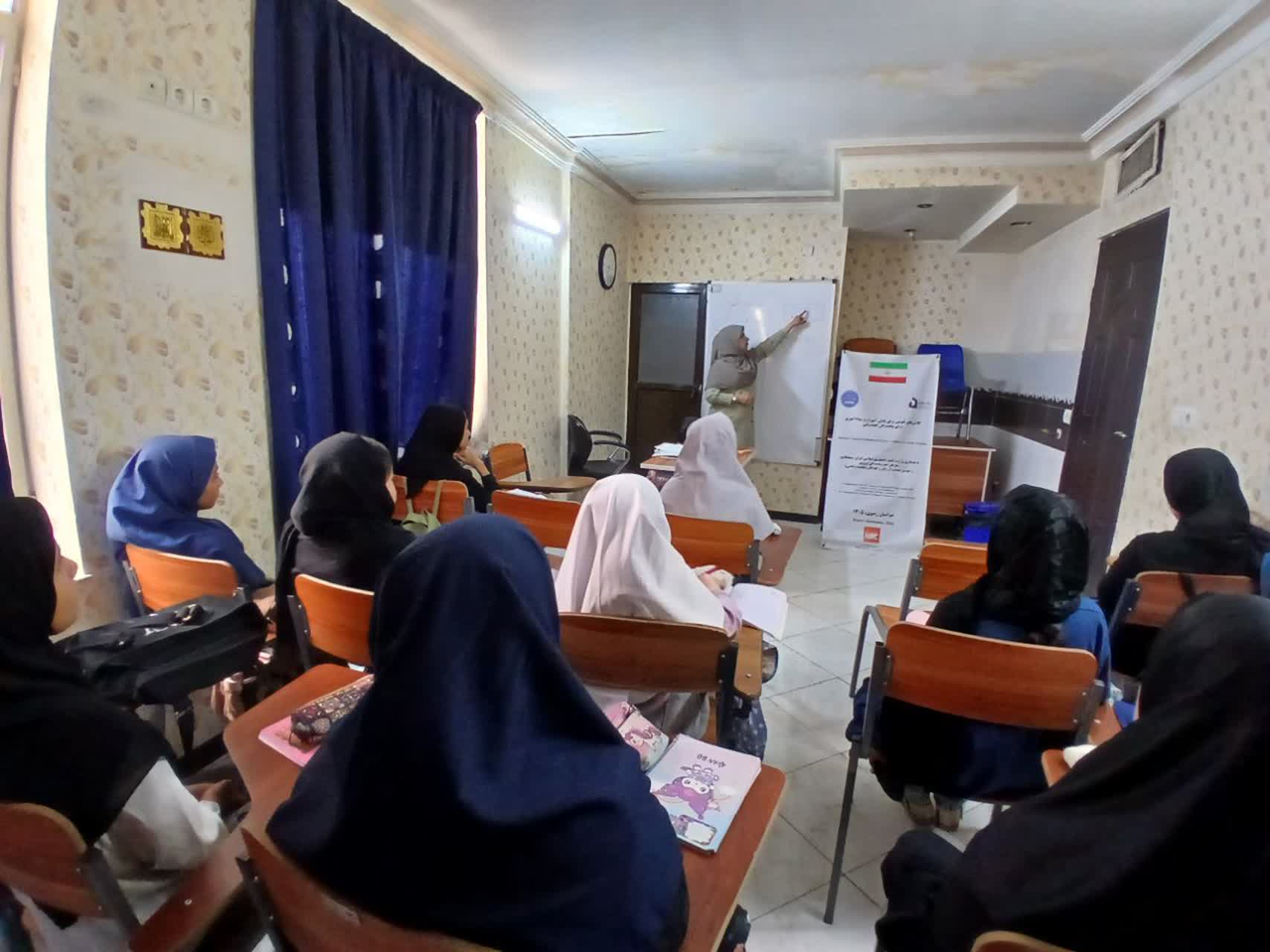
The Association for Protection of Refugee Women and Children.HAMI has launched the “Empowerment and Resilience Enhancement of Afghan Refugee Women, Children, and Families” project in Mashhad and the Torbat-e Jam Refugee Settlement in Khorasan Razavi Province, in cooperation with its national and international partners such as Norwegian Refugee Council (NRC) and Centre for Aliens and Foreign Immigrants Affairs (CAFIA). The project aims to improve the quality of life of Afghan refugees by strengthening individual and social resilience and enhancing their access to educational, psychosocial, and support services. Building on HAMI’s more than three decades of experience in supporting refugees and other vulnerable groups, the project will adopt a comprehensive, community-based approach in the target areas. Through this initiative, HAMI plans to provide educational, awareness-raising, health, and empowerment services to more than 1,500 Afghan refugees and Iranian nationals residing in the project locations.
Refugees, particularly women, children, and adolescents, face numerous challenges associated with displacement and migration, including limited access to education, healthcare, and mental health services, social vulnerabilities, economic hardship, and reduced opportunities for social participation. These circumstances underscore the need for comprehensive programs that not only address immediate needs but also strengthen the individual and social capacities of vulnerable populations to build resilience and improve their overall well-being.
The project has been designed around the principles of empowerment, community participation, and local capacity development. By engaging psychologists, social workers, trainers, community facilitators, and volunteers, it seeks to promote mental well-being, strengthen life skills, reinforce family and community cohesion, and reduce social vulnerabilities among the target population.
As part of the project, a wide range of educational, cultural, social, and support activities will be implemented. These include life skills training workshops, mental health and health education sessions, individual and group counseling services, educational programs for children and adolescents, women’s empowerment initiatives, awareness-raising activities on positive parenting and family well-being, as well as the identification and support of vulnerable individuals and families.
In addition to providing direct services, the project places particular emphasis on strengthening local community capacity. Training community volunteers and facilitators, expanding cooperation with government institutions, civil society organizations, universities, academic institutions, and other implementing partners are among the key strategies for establishing a sustainable support network for refugee communities. Continuous monitoring, evaluation, documentation of experiences, and the use of lessons learned to improve service quality will also constitute integral components of the project.
HAMI hopes that the implementation of this project will contribute to enhancing the resilience and empowerment of refugee women, children, and families while promoting mental well-being, improving quality of life, increasing social participation, and strengthening social cohesion between refugee and host communities. The Association also believes that expanding national and international partnerships and drawing upon the expertise of specialized institutions will play a vital role in ensuring the sustainability and long-term impact of such initiatives.
Throughout the implementation of the project, HAMI will regularly publish updates, reports, success stories, and project achievements through its official website and social media platforms. By sharing experiences and lessons learned, the Association also aims to foster broader collaboration and encourage greater support for refugees and other vulnerable populations.