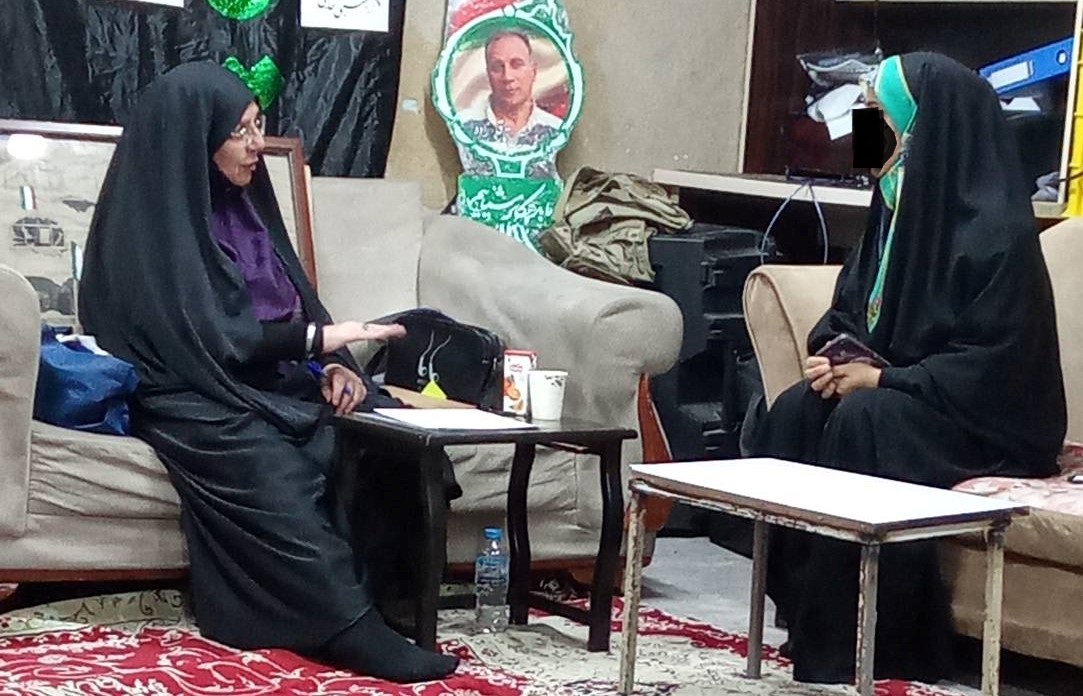
Nahid, 47, owned and managed a small grocery shop in the outskirts of Tehran before the conflict. The rented shop represented the family’s only source of income and the result of many years of hard work and personal investment. It enabled her to support her household, including her husband and son, both of whom require ongoing medical care.
During the recent missile attacks, a strike near her workplace completely destroyed the shop. Along with the building itself, all of the food and merchandise inside—valued at approximately USD 10,000—was lost. Much of the inventory had been purchased on credit, leaving Nahid responsible for repaying substantial debts despite having lost her entire business.
The family’s challenges extend far beyond the destruction of their livelihood. Nahid’s husband lives with epilepsy and requires continuous medical treatment, while their son has cerebral palsy (CP) and depends on regular rehabilitation and specialised healthcare. The costs of medication, medical care, rehabilitation, and rent have placed the family under overwhelming financial pressure.
Today, Nahid is not only unemployed but also burdened with significant debt and without any reliable source of income. Her greatest hope is to obtain a long-term loan or livelihood grant that would allow her to reopen her grocery shop, restore the family’s financial independence, and continue providing the essential medical care her husband and son require.
Nahid’s story demonstrates that the consequences of armed conflict extend well beyond casualties and damaged homes. The destruction of small businesses and family livelihoods can push already vulnerable households into long-term poverty and economic insecurity, particularly when they are also caring for family members with chronic illnesses or disabilities.
This family is among the conflict-affected households identified through HAMI’s field assessments and needs-based vulnerability screening. Following individual case assessment, they were enrolled in HAMI’s humanitarian assistance programme, through which part of their urgent livelihood and humanitarian needs has been addressed with the support of humanitarian partners and donors