On 8 March 2026, two missiles struck approximately 200 metres from Sadat’s home in Isfahan. The explosions completely destroyed the family’s house and caused severe injuries to every member of the household. In addition to losing their home and all of their belongings, the family was left facing profound physical, psychological, and economic consequences.
The most serious injuries were sustained by the family’s 36-year-old son, who suffered a fractured skull and severe traumatic brain injury as a result of the blast. He remained in a coma for eight days and has undergone multiple surgeries. Despite extensive medical treatment, his condition has not significantly improved, and he now lives with permanent disabilities. The consequences of the incident extended beyond his physical injuries: following the attack, his wife left the family, and their nine-year-old child is now living with paternal relatives.
During the same incident, both of his parents sustained serious fractures to their arms and legs, as well as significant head injuries, and they continue to experience the long-term effects of their trauma. With their home completely destroyed and all personal belongings lost, the family has been forced to seek temporary shelter with relatives, placing considerable emotional and financial strain on the extended family providing support.
Today, the family’s most urgent priority is securing additional neurosurgical treatment for their son, together with the medications and long-term physiotherapy required to maximise his recovery and restore as much independence and quality of life as possible.
Sadat’s story illustrates how the consequences of armed conflict extend far beyond the immediate destruction caused by military attacks. In a single moment, a family can lose not only its home but also its health, stability, and future. For households living with severe conflict-related disabilities, access to specialised medical care and rehabilitation is essential for recovery and long-term resilience.
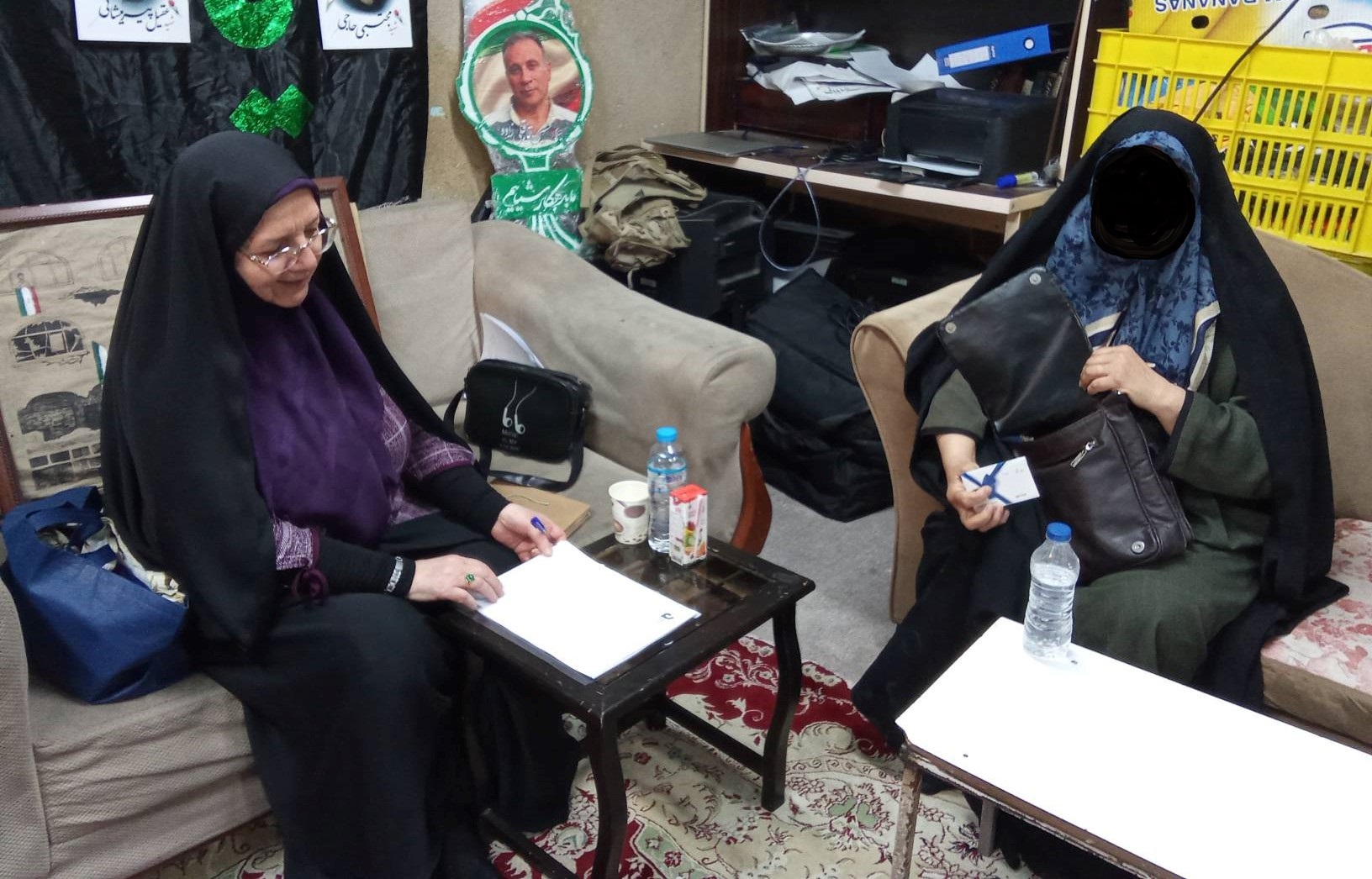
This family is among the conflict-affected households identified through HAMI’s field assessments and needs-based vulnerability screening. Following individual case assessment, they were enrolled in HAMI’s humanitarian assistance programme, through which part of their urgent medical, rehabilitation, and livelihood needs has been addressed with the support of humanitarian partners and donors