Your Excellency Dr. Astrid Puentes Riaño
Special Rapporteur on Human Rights and the Environment
We, the NGOs and civil society member of Iran have the honour to respectfully bring to your attention serious concerns regarding the “environmental and human rights consequences of recent military aggression of Israel and United States in the Islamic Republic of Iran”, which may have significant implications for the enjoyment of the human right to a clean, healthy and sustainable environment.
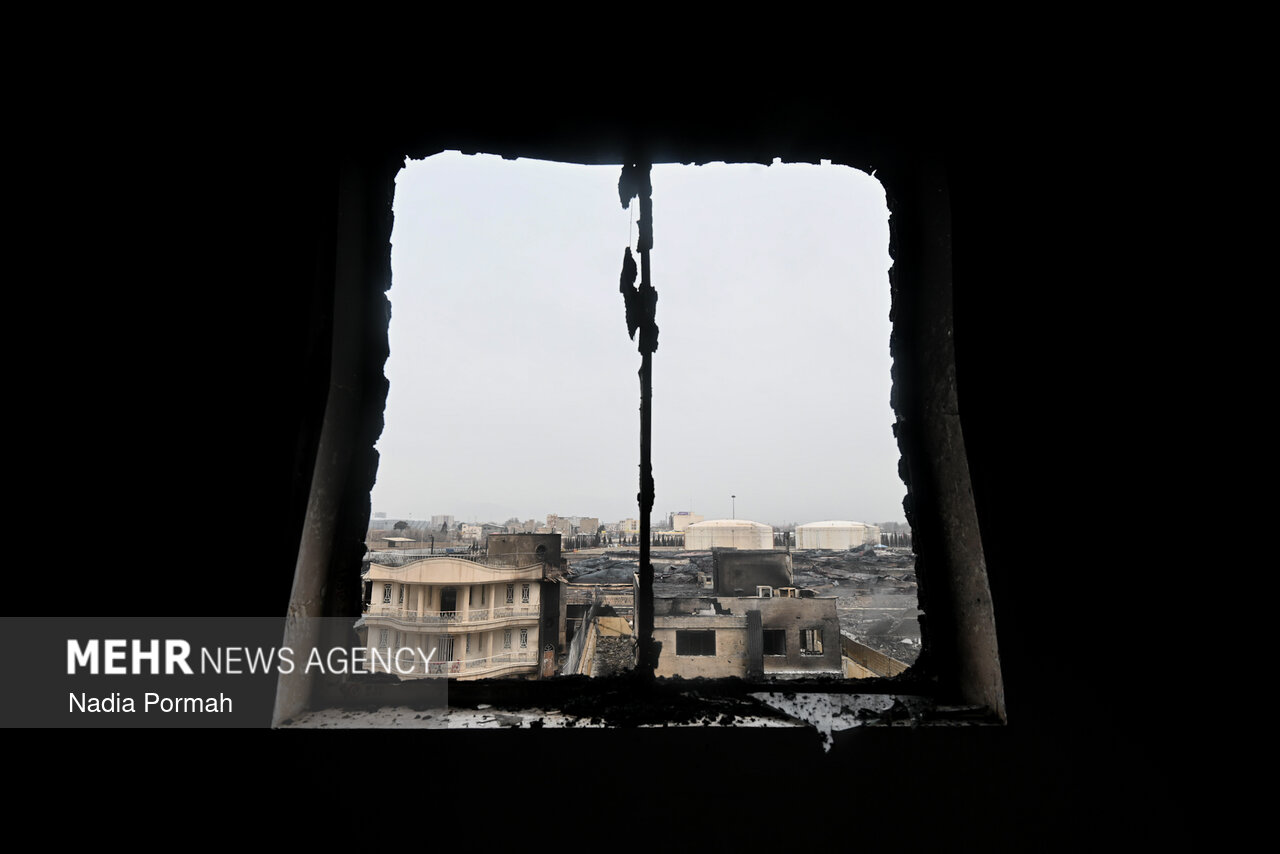
According to available information, Israel-United States missile strikes and military aircraft operations have reportedly targeted most of the provinces across the country. Among the most concerning incidents were aggressive attacks affecting “three oil infrastructure facilities in Tehran”. Damage to petroleum infrastructure poses severe environmental risks, including large‑scale fires, release of hydrocarbons and hazardous substances, toxic air pollution, and contamination of soil and groundwater. Explosions at oil facilities can emit significant quantities of particulate matter, nitrogen oxides, sulfur compounds, and other toxic pollutants that may persist in the environment and pose serious risks to surrounding communities and ecosystems.
Based on credible reports, aggressive attack on a facility used for the holding and care of horses in Tabriz. Facilities of this nature are closely linked to local agricultural systems, animal welfare, and rural environmental management. The destruction of such sites may result in the killing and suffering of animals, contamination of surrounding land, and disruption of local ecological and agricultural systems.
In addition, information suggests that a “water purification and desalination facility in the south of Iran”, which supplies “treated water to approximately 30 cities, was also targeted. Damage to water treatment infrastructure is of particular concern in regions facing water scarcity, as it may significantly disrupt access to safe and sufficient drinking water and increase the risk of contamination. The impairment of such systems can have immediate and long‑term consequences for public health, sanitation, and environmental sustainability.
The environmental effects of attacks involving missiles, aerial bombardment, and damage to industrial installations and residential areas can be extensive and long‑lasting. Israel-United States aggressive military strikes on energy and environmental infrastructure may generate toxic emissions, hazardous debris, and chemical contamination that affect air quality, freshwater systems, soil integrity, biodiversity, and agricultural productivity. These impacts may persist for years and, in certain circumstances, may even have “transboundary environmental consequences”.
International law recognizes the importance of protecting the natural environment in situations of armed conflict. Article 35(3) and Article 55 of Additional Protocol I to the Geneva Conventions prohibit methods and means of warfare that are intended, or may be expected, to cause widespread, long‑term, and severe damage to the natural environment, and require the protection of the natural environment against such harm. Furthermore, international humanitarian law requires parties to a conflict to respect the principles of distinction, proportionality, and precaution, including with regard to attacks affecting civilian objects and infrastructure essential to the survival and well‑being of the civilian population.
Damage to environmental infrastructure such as oil facilities, animal‑holding sites, and water purification systems may also undermine the enjoyment of several internationally recognized human rights, including the rights to life, health, water, food, and an adequate standard of living , as reflected in the International Covenant on Economic, Social and Cultural Rights (ICESCR) and related human rights standards.
Moreover, the United Nations General Assembly resolution 76/300 and relevant resolutions of the Human Rights Council recognize the human right to a clean, healthy and sustainable environment, emphasizing that environmental degradation and pollution can significantly impair the enjoyment of fundamental human rights.
In light of your mandate to examine the human rights obligations relating to the enjoyment of a safe, clean, healthy and sustainable environment, I respectfully encourage your office to consider:
- Drawing attention to the environmental risks associated with the attack on three oil infrastructure facilities in Tehran, including toxic emissions, fires, and potential contamination of air, soil, and water resources.
- Highlighting the broader environmental consequences of military strikes involving missiles and aircraft, particularly where such operations affect industrial or environmental infrastructure.
- Raising concern regarding the attack on the horse‑holding facility in Tabriz, including its implications for animal welfare, agricultural systems, and local ecosystems.
- Addressing the serious environmental and human rights implications of the attack on the water purification and desalination facility in southern Iran, which reportedly provides water to approximately 30 cities, and the potential risks posed to access to safe drinking water.
- Encouraging monitoring and assessment of the environmental impacts of these incidents, as well as the adoption of measures aimed at preventing further environmental harm and protecting affected communities.
Environmental protection is an essential component of the protection of human rights and sustainable development. Attention to the environmental consequences of military activities is therefore crucial to safeguarding ecosystems, protecting public health, and ensuring accountability where environmental harm may occur.
Please accept, Your Excellency, the assurances of my highest consideration.